I think I never understood Pop Art until today. Well, I never really liked it anyway. I am not suddenly into Pop now, but I see the satirical charm.
Warhol will never make sense anywhere else.
I am writing this on the plane, leaving New York. The city gives desire a particular intensity. Everything seems to participate in the production of an appetite, including the people who arrive there wanting to experience it. To consume the city is to feel that we have entered its life. We take something from it and carry it as evidence of who we have become.
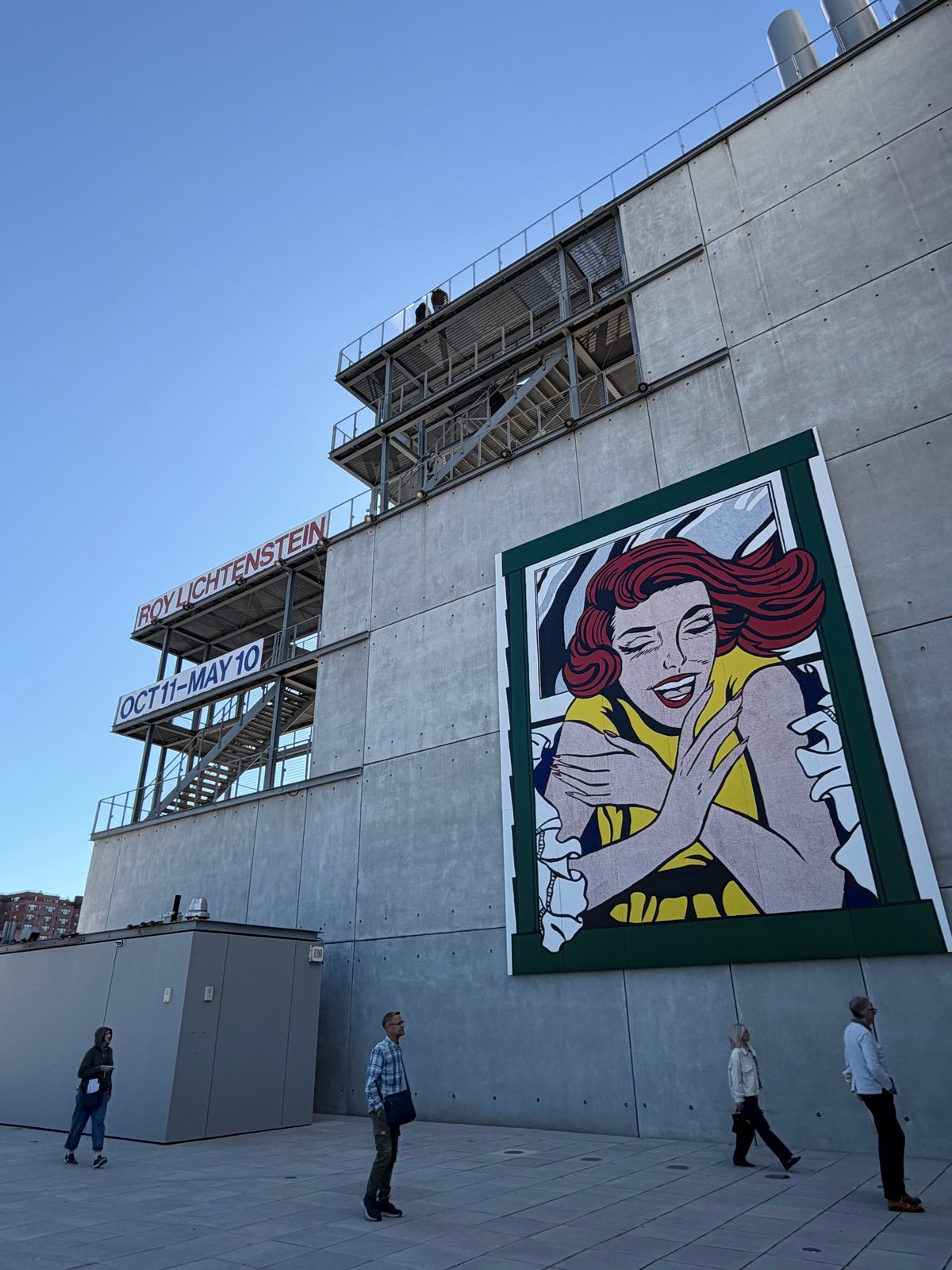
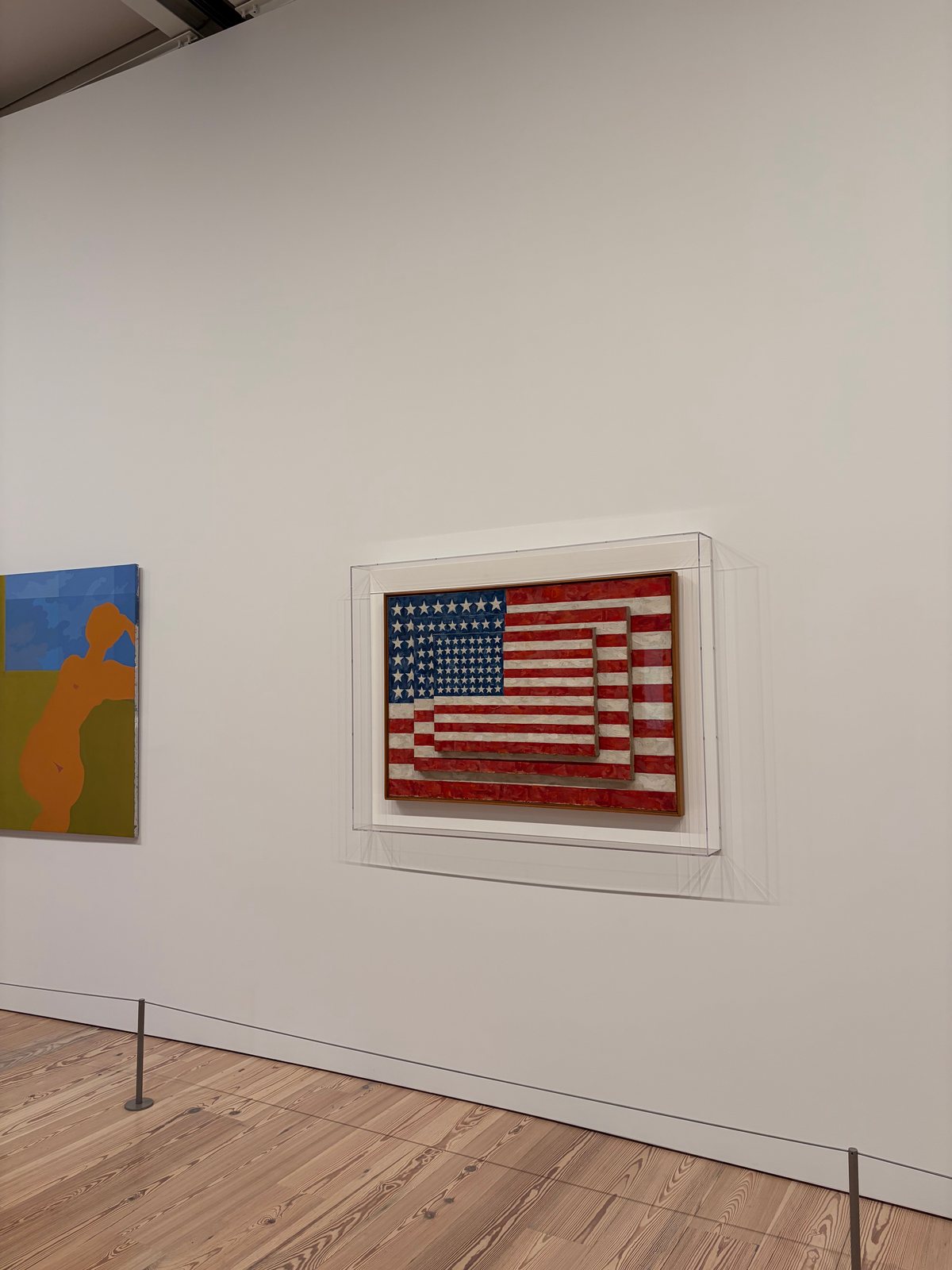
Pop, we already know. The soup can, the famous face, the image repeated until familiarity becomes its own authority. There is pleasure in finding the objects of ordinary consumption admitted into the world of art. Our appetites have acquired cultural significance. We recognize ourselves in what we buy.
And then that recognition becomes something else to consume.
Satire. Consumption produces its own images, its own values, its own account of what makes a life desirable. We consume these in turn. What we buy becomes a sign of taste; the sign circulates; we learn to desire whatever carries it. Our consumption helps produce the meaning that persuades us to consume again.
There is something tragic about consumption becoming its own reason to continue. Satisfaction remains brief while desire acquires an entire culture through which to sustain itself.
Earlier today, I had Magnolia Bakery’s banana pudding.
When you take a spoonful and put it into your mouth, something external begins to become part of you. There is something deeply satisfying about forcefully transforming what exists outside you into the substance of your own body. You alter its form, dissolve its boundaries, absorb it into your continued existence.
Eating is an intimate form of possession. We take something into ourselves so completely that it can no longer remain what it was.
But neither can we.
The body that consumes is sustained and changed by what it takes in. The apparent conquest of the object also reveals our dependence on it. We need what exists outside us to continue being ourselves. Even this most physical act of possession contains a concession: I cannot produce my own existence from within.
I have been thinking about the psychological thrill of the act itself: to consume.
We have the urge to binge and the urge to splurge. Both promise a moment in which wanting becomes having. Yet what we take in can exceed the satisfaction we sought from it. An encounter can alter our taste. A work of art can disturb the assumptions through which we approached it. We reach for something with one appetite and leave with another.
This makes possession a more complicated pleasure than it first appears. I can own an object and remain untouched by it. I can also be changed by something I will never own. To make the world part of me is to expose myself to its power to change what “me” means.
I think life is really about two things: consumption and creation.
The former is about possession. The latter is about provision.
what we make.
what enters.
Neither returns unchanged. What enters us changes what we can make; what we make changes the world we encounter.
These are the two directions in which we live: making something of the world part of ourselves, and making something of ourselves part of the world.
The movement inward changes what can move outward. Everything I create has already been touched by what I have consumed. The language available to me, the images that remain in my mind, even the questions I experience as most intimately mine have histories beyond me. They acquire a particular form through passing through my life.
Creation gives that transformation an existence outside me. A thought becomes a sentence. An experience becomes a work. What has entered me returns to the world bearing the marks of what happened to it here.
This is the dialectic I see between consumption and creation. Each activity produces the conditions of the other. The self that creates has been formed through its encounters with the world; the world it encounters contains what other selves have already made. We continually inherit and alter the material through which we become ourselves.
Warhol begins to make a different kind of sense here. The images already circulating through a culture become the material of an individual practice. The work returns those images to circulation, changed. We encounter the familiar through that intervention, and our relationship to it acquires another layer. Even recognition can become a new experience.
Creation also carries a desire to possess. We want to give form to experience, hold it still long enough to understand it, leave evidence that it passed through us. We want recognition, money, a place in another person’s attention. Provision can be full of hunger.
And consumption can be generative. What enters us may become the beginning of an idea we could not have arrived at alone. The distinction remains meaningful, but neither activity stays within the boundaries its name suggests.
What troubles me is the possibility of this movement narrowing into compulsion. Consumption can keep reproducing the same dissatisfaction. Creation can become equally insatiable: another work, another response, another attempt to secure a sense of significance that refuses to last. Both can exhaust us while leaving our relationship to the world strangely unchanged.
To be changed by an encounter is to surrender some certainty about who is doing the encountering. The self that reaches for the world carries desires, habits, and expectations; what it takes in can reveal their limits. Something familiar becomes strange. A pleasure exposes a dependence. The attempt to possess the world reveals how deeply the self is constituted by it.
Creation gives this dependence a form. What emerges through an individual life carries the histories that have made that life possible: a borrowed language, inherited images, ways of feeling learned from others. Even the most private expression bears traces of a world that preceded the person giving it form.
This gives provision a particular weight. To make something available is to allow it to be taken up, altered, and carried beyond the intentions that produced it. What began as an expression of one life becomes material for another. Its meaning continues to develop through relations no single participant can possess.
Something of the world becomes us. Something of us becomes the world. Neither is ever quite finished.